Pebby: A Handwritten Font for Creative Makers
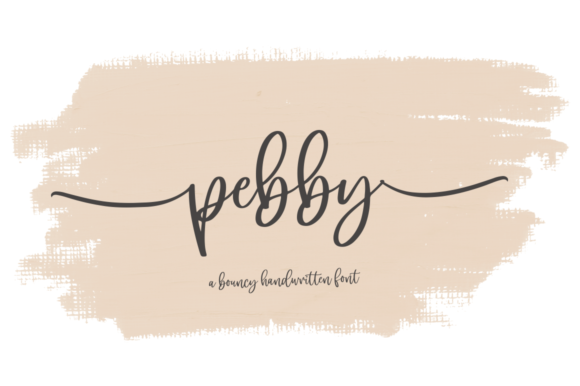
There’s something about a handwritten font that feels personal, almost like a secret shared between the designer and the viewer. When I first tried Pebby, I knew it was going to be one of those fonts that could bring warmth and character to my handmade products. Its soft curves and playful strokes reminded me of a friend’s handwriting—friendly, approachable, and full of life.
As a maker who spends a lot of time designing labels, greeting cards, and shop materials, I’ve come to appreciate fonts that not only look good but also feel right. Pebby fits perfectly into that category. It’s a script font with a distinct personality, making it ideal for anything from candle labels to farmhouse signs. The style is sweet and lively, which makes it perfect for adding a handmade touch to any project.
Bringing Pebby to Life on Labels and Cards
One of my favorite uses for Pebby has been on candle labels. I love how the font adds a whimsical feel to each product, making them stand out on my shelf. Whether it's a simple "Lavender & Vanilla" or a more detailed description, Pebby gives the text a handcrafted quality that matches the nature of my products.
I also use it on greeting cards and invitations. For a birthday card, I might write “Happy Birthday” in Pebby, paired with a clean sans serif font for the body text. This contrast creates a balanced look that feels both modern and nostalgic. It’s a great way to add a personal touch without overwhelming the design.
Designing Seasonal Shop Items with Pebby
During the holidays, I often create printable wall art and seasonal tags. Pebby works beautifully on these items, giving them a cozy, handmade vibe. For example, I might design a "Welcome" sign for the front door using Pebby for the main text and a simple serif font for the date or location. The combination feels warm and inviting, just right for the season.
For holiday tags, I use Pebby to write short phrases like “Merry Christmas” or “Happy New Year.” The font’s flowing style makes it easy to read even on small stickers, which is important when cutting with a Cricut or Silhouette. I’ve found that Pebby pairs well with bold display fonts when I need to make a statement, such as on a holiday banner or a promotional sign.
Enhancing Product Presentation and Brand Consistency
Using Pebby across different products helps maintain a cohesive brand identity. Whether it’s on packaging, tote bags, or digital downloads, the font consistently adds a friendly and creative energy. This consistency can help customers recognize my work and build trust in the quality of my handmade items.
When designing for print, I always test how Pebby looks on different surfaces. On paper, it reads clearly and maintains its charm. On fabric, like a shirt or tote bag, it still holds up well, especially when printed at a larger size. For smaller stickers or labels, I make sure to keep the text short and use a slightly larger size to ensure readability.
Pairing Pebby with Other Fonts for Design Balance
While Pebby shines on its own, it also works well when paired with other fonts. For example, I often pair it with a clean sans serif font for headings or body text. This pairing gives the design a modern edge while keeping the warmth of the handwritten style. Alternatively, I might use it alongside a simple serif font for a more traditional look.
When working on digital templates or printable designs, I find that Pebby adds a unique flair that sets my products apart. It’s especially useful for creating custom logos or branding elements where a personal touch is desired. The font’s versatility makes it a valuable addition to any designer’s toolkit.
Considering Practical Details for Commercial Use
Before using Pebby in commercial projects, I always check the licensing information. Since it’s a premium font, it’s important to ensure that the license covers the intended use, whether it’s for physical products, printables, or digital downloads. I also review the available styles, alternates, and ligatures to see what options are available for customization.
Another thing I consider is multilingual support. If I plan to sell in different regions, I want to make sure the font supports the necessary characters. For most of my projects, this isn’t an issue, but it’s always good to double-check before finalizing a design.
Overall, Pebby has become a go-to font for many of my handmade projects. Its charming style and practical usability make it a valuable tool for makers looking to add a personal touch to their work. Whether I’m designing labels, cards, or shop materials, Pebby brings a sense of warmth and creativity that enhances the overall presentation of my products.
For anyone looking to elevate their handmade designs, I highly recommend giving Pebby a try. It’s a font that feels like it was made for crafters, by crafters.